Texas Attorney General Ken Paxton does a great job of filing briefs and taking legal action in support of constitutional rights, and many on his staff are very good at defending the Constitution. Unfortunately, at least one attorney on his staff didn’t get the memo about supporting and defending the Constitution. In Supreme Court of Texas case 19-1101, Ken Paxton’s office is arguing AGAINST due process and AGAINST the constitutional right to an attorney in criminal proceedings. These are basic constitutional rights. These are rights that Republicans shouted from the rooftops that President Donald Trump was denied these rights in the impeachment proceedings against him in the US House of Representatives. They shouted from the rooftops that these are basic constitutional rights of any criminal proceeding. But yet when it comes to an actual criminal case in Texas with someone lower in status than the President, all of the sudden these basic rights don’t matter anymore? That is wrong. Ken Paxton should be alerted to this horrendous position that his staff has presented to the SCOTX. Ken Paxton likely does not even know about this situation with all the cases his office processes, but the Ken Paxton I have seen on Fox News defending the Constitution would not agree with his staff’s position to oppose the constitution. If Ken Paxton doesn’t reverse this position by his office, then it will be a black eye for his record of defending and protecting constitutional rights in Texas. This case, if it does not end in the Texas Supreme Court, has the potential to go all the way to the Supreme Court of the United States of America. Texas is better than this. Texas should stand up for basic constitutional rights, especially in criminal cases where someone’s life is on the line and they deserve to have an attorney and due process.
The Texas Supreme Court case number is 19-1101 IN RE JOSHUA LEROY JAROS. I wrote an article about this case and the #FreeJoshJaros situation not long ago when the petition first made its way to the Supreme Court of Texas. Now the Texas Attorney General’s office has filed their response, which to my surprise the staff attorney stuck to the story of rejecting the Constitutional right to an attorney and Due Process. This is something I do not believe Ken Paxton would agree with and I hope that he hears about this and takes action to ensure his office is upholding the Constitution and Due Process.
After the response from the Texas AG’s office, a response was made on behalf of #freeJoshJaros and a portion of this response to the state is below:
Comes now Joshua Jaros and would request that this Honorable Supreme Court order the temporary release of Joshua Jaros, as requested in the original Habeas Corpus petition to this Court, pending the final decision and judgement from this Court in this case. Now that the state has responded, it is clear that constitutional violations against Joshua Jaros have occurred which deprived him of Due Process. The state failed to even address the most serious constitutional issues in their response, and agreed or didn’t dispute many key facts and issues. For instance, it is agreed upon and undisputed by all parties that Joshua Jaros faced a criminal proceeding, he requested to be appointed an attorney because he cannot afford one, there was a previous undisputed affidavit of inability to pay by Joshua Jaros in the underlying case which Joshua pointed out, the court instead gave Joshua a form to fill out that did not allow for a listing of expenses, the request for indigency was never disputed by the state before the Judge determined Joshua is not indigent, the Judge never asked for more information nor allowed Joshua to provide any information to explain his expenses and his inability to afford an attorney other than the insufficient form he was given to fill out. The court found Joshua non indigent and denied him an attorney and immediately proceeded with the criminal trial against Joshua Jaros instead of giving Joshua Jaros adequate time to find an attorney now that the Judge had just denied Joshua a court appointed attorney.None of the above facts are disputed by any party. The dispute is whether or not the Texas and US Constitution and Due Process requires that Joshua Jaros, who was facing a criminal trial with a state attorney against him, have an adequate review of his actual ability to afford an attorney which would include a review of his necessary expenses in order to be able to make a reasonable determination of ability to afford an attorney before being denied a court appointed attorney, and then given time to find an attorney after being denied a court appointed one. The State’s position is that yes Joshua was denied a review of his expenses and denied a review of his full situation regarding ability to afford an attorney, but its ok because he doesn’t need a full review because the law doesn’t require it. The State is wrong. The law does require it as the law does require an indigency determination and an indigency determination cannot reasonably be determined without having looked at both income and expenses. However, it is true that the law, although reasonably implied, does not specifically state the process or basic guidelines of determining indigency in this case must include reviewing expenses. The state relies on the idea that the law doesn’t say it must be done so it is ok if it isn’t done. What the state fails to consider or respond to is that the Constitution is above the law. The Constitution and Due Process require that Joshua Jaros have a full and reasonable examination of his actual ability to afford an attorney, which would include reviewing expenses, before being denied the fundamental constitutional right to a court appointed attorney, or given time to find an attorney if a reasonable and adequate determination has been made denying him an appointed attorney.The Constitution and Due Process requires this, Joshua Jaros was denied this, and therefore Joshua Jaros must be released as his rights were clearly violated. If the state’s argument is right that the law allows it, then the law must be struck down as unconstitutional because it is at odds with the constitution and due process. This is not just about Joshua Jaros. This case is about every Texan who might face a criminal prosecution and who cannot afford an attorney. There must be a more constitutional standard for which Judges must go by when determining who gets a court appointed attorney. It is unconstitutional for every judge to have a different standard, or no standard at all, which allows for them to just check a box of non-indigent and deny constitutional rights to attorneys without having been required to do a reasonable and thorough examination of the defendant’s expenses and actual ability to afford an attorney.

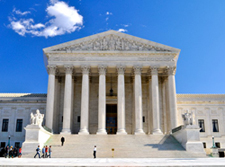 Voting is a right; marriage is not. The case of Hollingsworth v. Perry currently before the Supreme Court raises the question of whether California’s restriction on gay marriage is constitutional. However, a question just as large looms in the background and could be even more damaging to the nation if the Supreme Court moves to strike down Proposition 8. Proposition 8 was approved by a majority of California voters through a referendum in the 2008 elections. The question before the Supreme Court is not just whether gay marriage is constitutionally protected by the Fifth Amendment but whether we still live within a republican system of government. If the Supreme Court decides to overturn Proposition 8, it will have violated the rights of California voters for the benefit of a small minority whose rights were never at risk.